Estate · About
Four generations,
one piece of dirt.
Hans de Wet planted the first vines in 1894. We are still making wine from the same soil, in the same cellar, mostly with the same methods.
Anna & Jakob de Wet
Two cellar hands,
one very old farm.
Anna grew up here, in the house with her back to the kloof. Jakob came from a wheat farm in the Overberg and used to work the harvests at Tulbagh before they married.
We took over the cellar in 2018 from Anna's father, who still keeps a desk in the office and an opinion on everything that comes out of barrel. Anna runs the winemaking; Jakob runs the vineyard and the visitor side. Most days we end up doing both.
We have two children, three dogs, a cat that the dogs are afraid of and a long list of things to fix before the next harvest.
Anna & Jakob de Wet
Briefly
A century and
a quarter, in five lines.
Hans de Wet plants the first vines on the southern slope. The original cellar (now the stone room) is built that same summer.
Hans's grandson, "Oupa" Pieter, plants the bush-vine Chenin block that still bears his name and still makes our flagship wine.
A new generation. Anna's father takes over and shifts the farm toward estate bottling, releasing the first Krans-labelled wine.
Anna and Jakob, husband and wife and the fourth generation, take over the cellar. They switch to wild-yeast fermentation and pull out the new oak.
Three of the wines are Platter's 5-star. The MCC ages on lees for thirty-six months. The farm makes less wine than it did ten years ago, on purpose.
A few quiet rules
What we try to do.
Make wines that taste of where they come from. Less yeast, less oak, less of everything that is not the grape.
Pick at the right moment. Then stay out of the way as much as the vintage allows.
Treat the people in the cellar the way we would want to be treated. Hot lunch every day of harvest, year-end bonus paid before December.
In the vineyard
Dry-farmed,
where it counts.
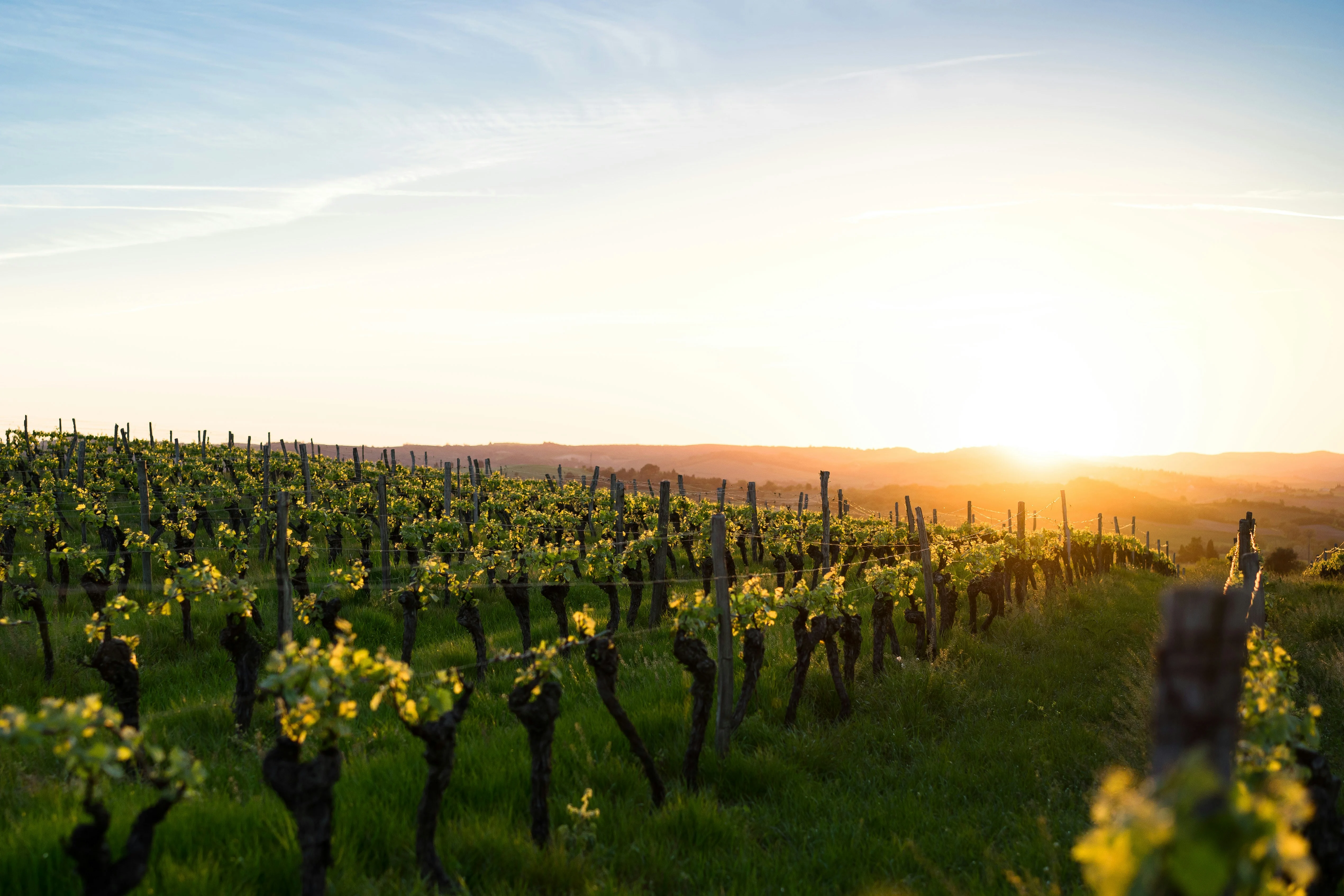
Six of our eighteen hectares are dry-farmed: the old bush-vine Chenin, the Pinotage, the high-block Sauvignon. The vines have to push roots deep (five, six metres in some places) to find water and the wines that come from those roots taste of more than just the top layer of soil.
We use cover crops between the rows, no herbicides, then graze a small flock of sheep through the vineyard in winter to keep the cover down. The other twelve hectares get drip irrigation when they need it, which is less often than you would think.
- 6 ha dry-farmed bush vines (Chenin, Pinotage, Sauvignon)
- Cover crops in winter (lupin, rye, oats)
- No herbicides since 2018
- WIETA-certified ethical farm since 2019
The people
A small team,
most days.
Six full-time, fifteen more during harvest. We have been with the same five families on the farm for two generations or more.
Anna de Wet
Winemaker
Jakob de Wet
Viticulturist
Daniel Booysen
Cellar foreman
Riana Witbooi
Tasting room
Elias Mfeka
Vineyard team lead
Sophie Williams
Kitchen